

Solutions through technology:Website DevelopmentDigital MarketingMarketing Strategy
SITUATION ANALYSIS
Situation analysis is the first step in any digital marketing plan and answers the question ‘Where are we now?’ Determining the current status of a company’s digital marketing efforts allows us to define where we want to go and plan into the future. Situation analysis involves examining both, internally within the organization and externally, the business environment affecting the online business situation to determine the company’s current position thereby outlining all the options that are available.
This can be achieved through digital communications that analysis your customers and potential customers to see how the brand currently stands. This can be done through emailed online surveys, social media or even Google Alerts that identifies sites and forums that mention your firm by name. In addition it is important to assess competitors to discover exactly where the business stands compared to its competition. We can improve our marketing campaigns by developing on what the competition is doing in their digital marketing campaigns.
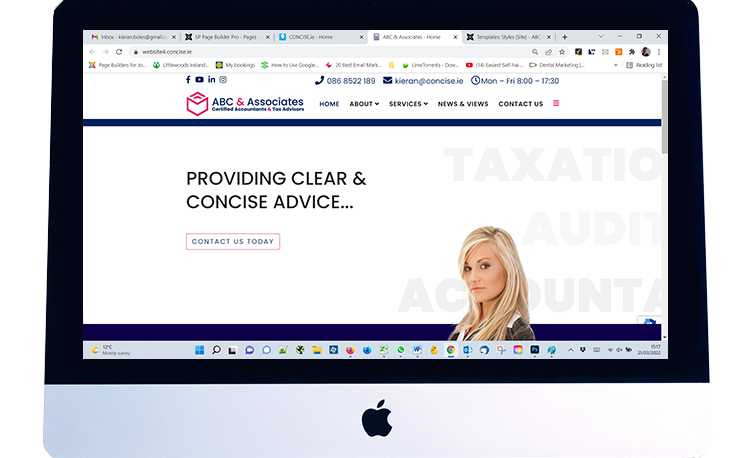
ACCOUNTANT
Click to view what your new website could look like and to generate design ideas...
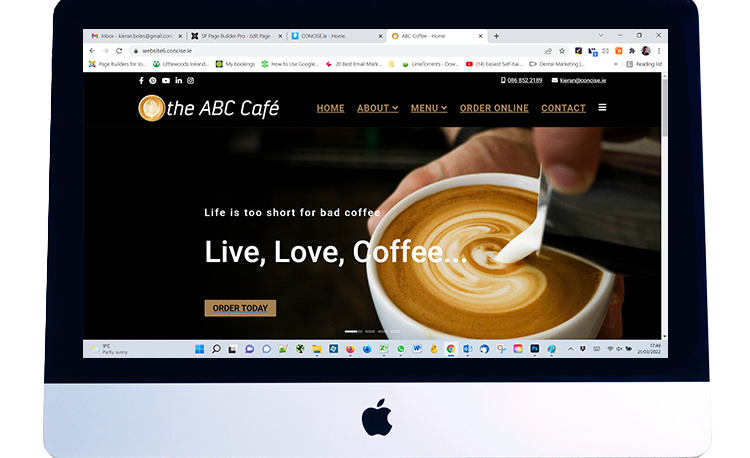
ARCHITECT
Click to view what your new website could look like and to generate design ideas...

BARBER SHOP
Click to view what your new website could look like and to generate design ideas...

COFFEE SHOP
Click to view what your new website could look like and to generate design ideas...
DENTAL CLINIC 1
Click to view what your new website could look like and to generate design ideas...
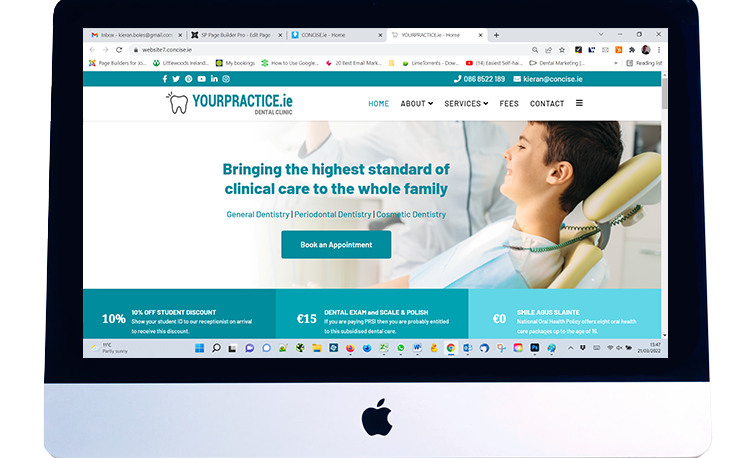
DENTAL CLINIC 2
Click to view what your new website could look like and to generate design ideas...

EVENTS
Click to view what your new website could look like and to generate design ideas...
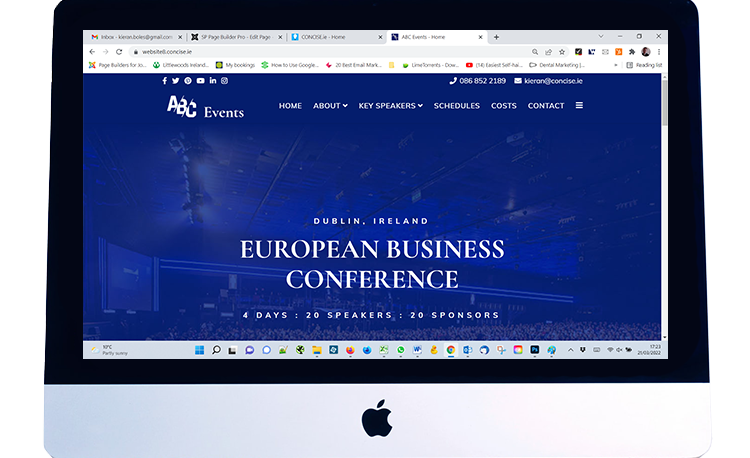
FINANCE 1
Click to view what your new website could look like and to generate design ideas...
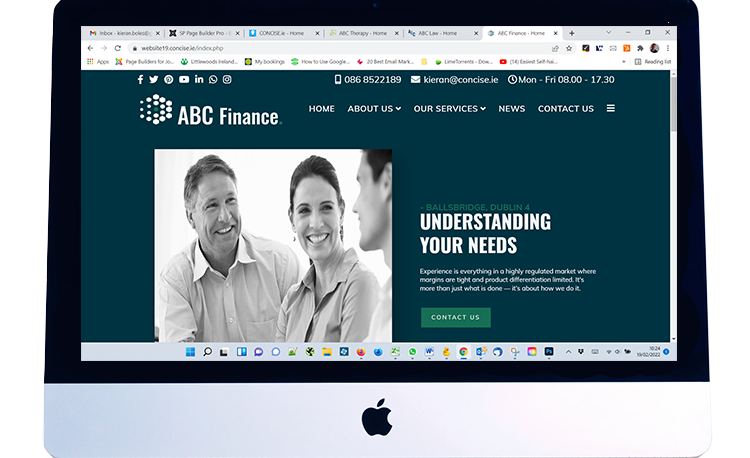
FINANCE 2
Click to view what your new website could look like and to generate design ideas...
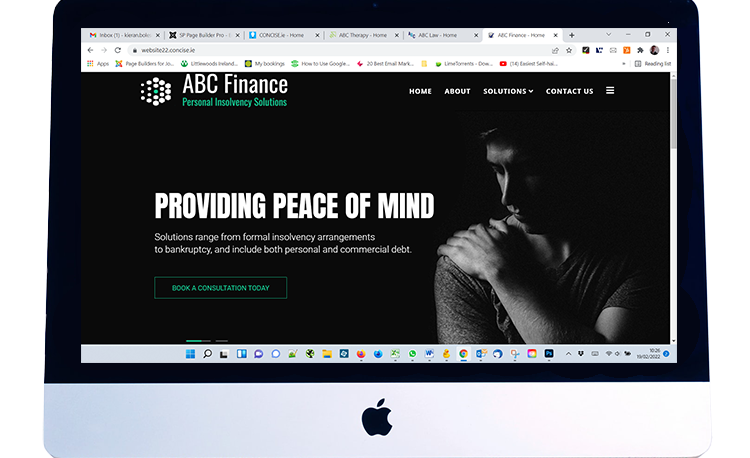
FITNESS
Click to view what your new website could look like and to generate design ideas...
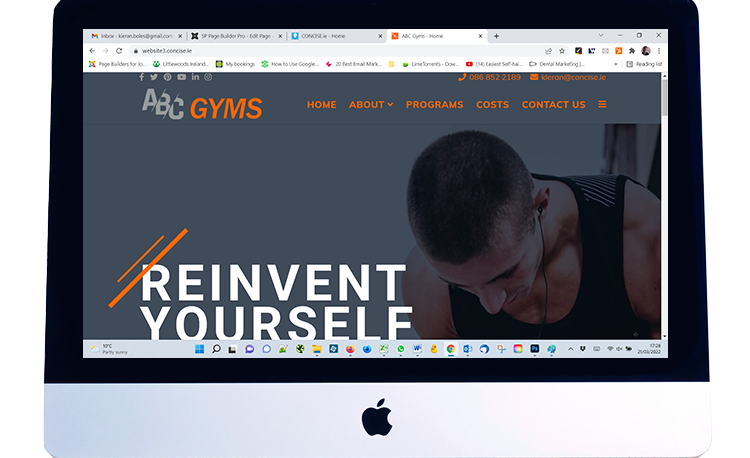
INTERIOR DESIGN
Click to view what your new website could look like and to generate design ideas...

LAW 1
Click to view what your new website could look like and to generate design ideas...
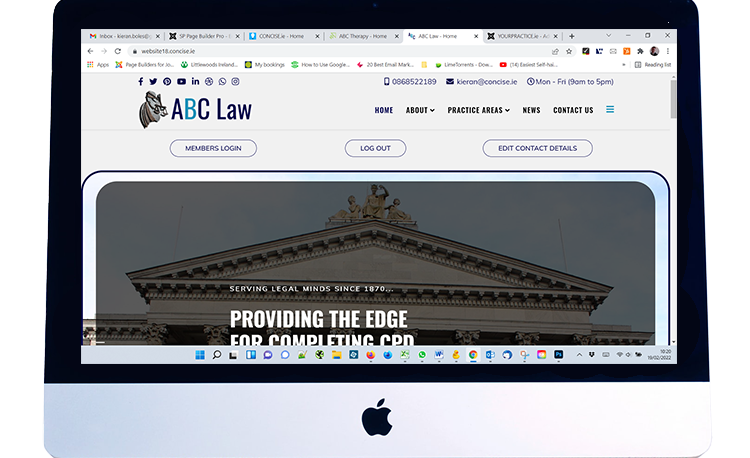
MEDICAL CLINIC 1
Click to view what your new website could look like and to generate design ideas...
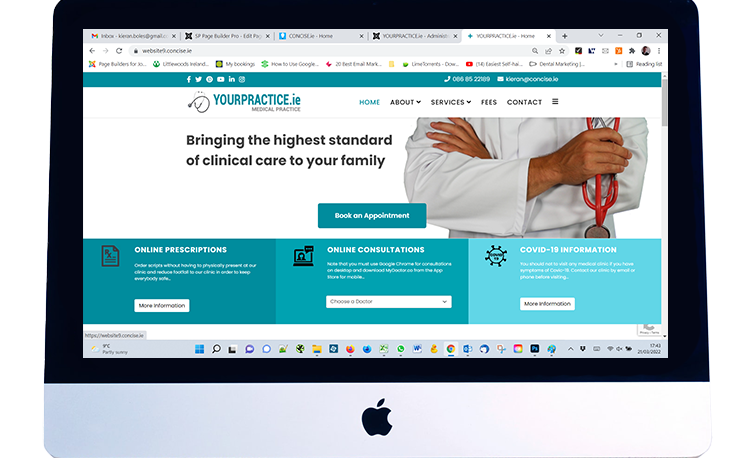
MEDICAL CLINIC 2
Click to view what your new website could look like and to generate design ideas...

PROPERTY
Click to view what your new website could look like and to generate design ideas...
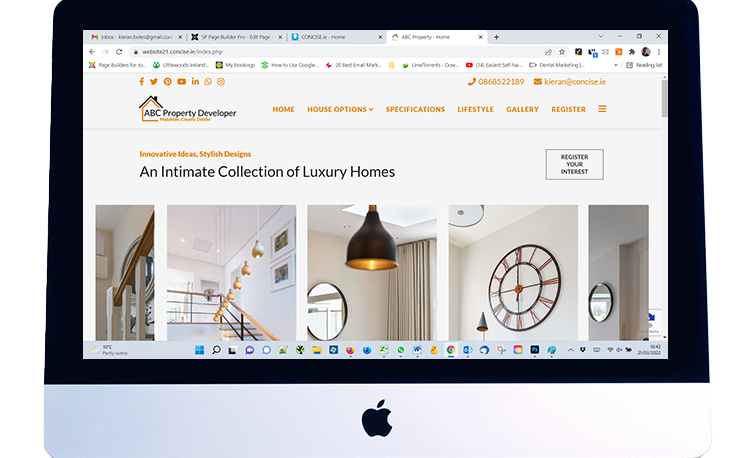
RESTAURANT 1
Click to view what your new website could look like and to generate design ideas...
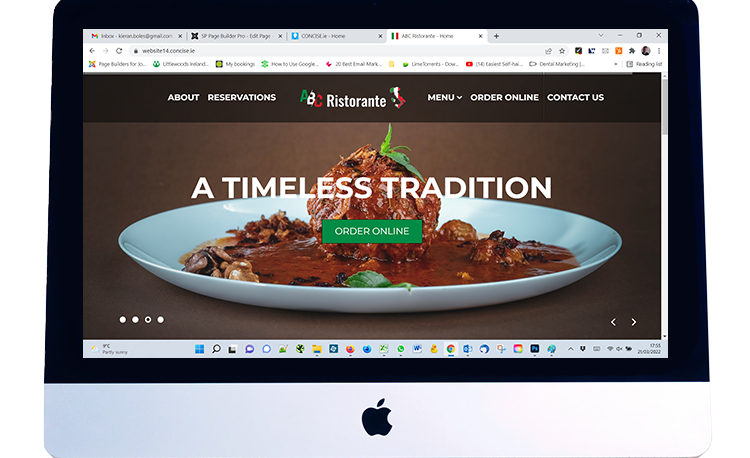
RESTAURANT 2
Click to view what your new website could look like and to generate design ideas...
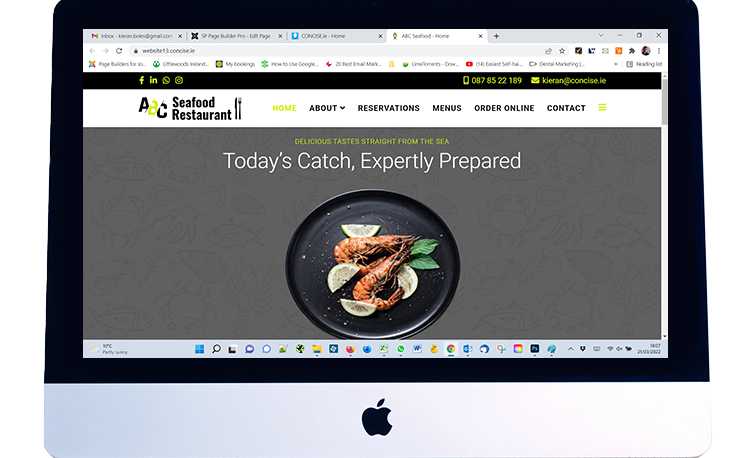
RESTAURANT 3
Click to view what your new website could look like and to generate design ideas...
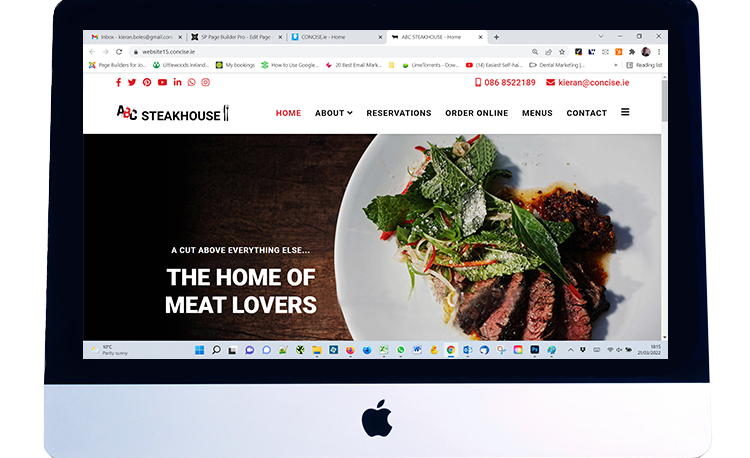
MENTAL HEALTH
Click to view what your new website could look like and to generate design ideas...
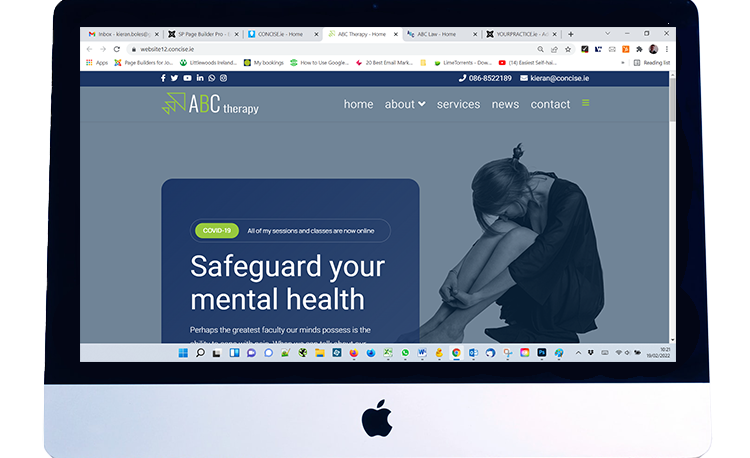
TRAVEL
Click to view what your new website could look like and to generate design ideas...
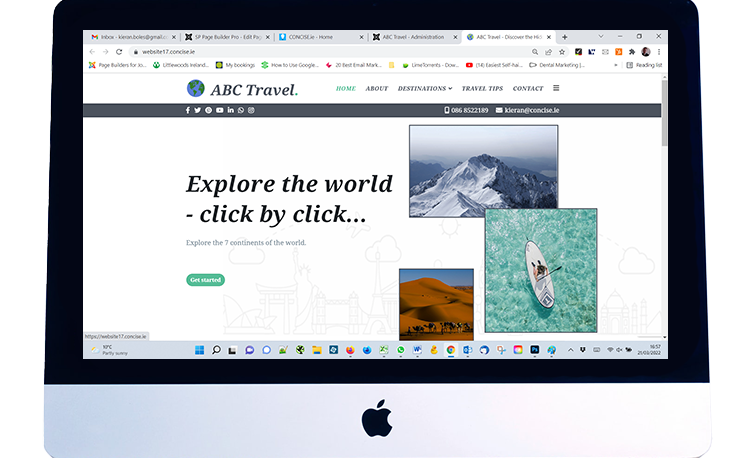
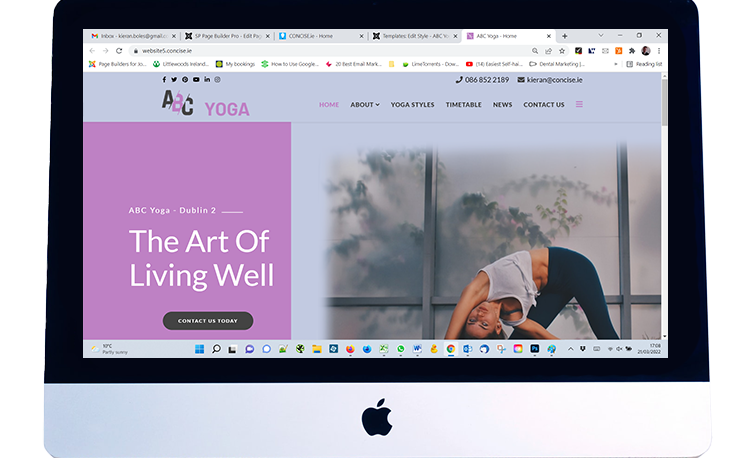
YOGA
Click to view what your new website could look like and to generate design ideas...
Situation analysis involves a detailed analysis to create a comprehensive outlook of your business model to highlight its advantages and disadvantages, and create measurement and accountability through the application of the following business tools;
KPIs are key measures that are collected to find out our current position and allow us to measure whether the company’s objectives are being achieved. KPIs identify the success criteria through results, data and measurements against pre-defined benchmarks which can be quantified and used as objectives to be constantly measured.
KPIs involve analysing market share, sales (units and revenue) and ROI (return on investment) as well as the more technical indicators listed below;
- Unique visitors – the number of separate, individual visitors who visit the website over a defined period of time.
- Total numbers of sessions or visits to a website (‘hits’ is a spurious measure because when a web page is downloaded, a number of separate data transfers or ‘hits’ take place, usually one for each HTML and graphics file).
- Repeat visits. This is the average number of visits per individual. The total number of sessions is divided by the number of unique visitors. Online behaviour analysis can help track repeat visits.
- Duration – the average length of time visitors spend on your site.
- Page views – the number of pages viewed per visitor.
- Conversion rates to different goals
- Click through rates (CTR) – from a web link on another site, microsite or email to the company’s website. This measures the level of engagement for an email, social media or mobile marketing campaign.
- Email engagement rate – the number of users that came back into one of your experiences divided by the number of messages delivered.
- Email goal achievement rate – highlights how email has driven actual customer behaviour.
- Subscription rates – number of visitors subscribing for services such as an opt-in email and on-line registration.
- Churn rates – percentage of subscribers withdrawing or unsubscribing after receiving a promotional message.
- Social media engagement – new social contacts, share of conversation, conversation polarity and sales influenced by social media.
- Emails sent – the number of emails that actually moved through your engagement marketing platform.
- Emails delivered – the number of emails that were sent and not rejected by a receiving server.
- Bounced – emails that were permanently rejected (hard bounce) and messages that were temporarily rejected (soft bounce).
- Opened – recipients who opened (viewed) the email.
- Clicked – subscribers who clicked on a link, button, or image within your message.
- Marked as Spam – subscribers who reported your email as spam.
Finally the development of a KPI should be linked to each of the firm's objectives and involve a member of staff who would be responsible for its analysis with a budget in order to ensure it is measured on a regular basis for accountability.
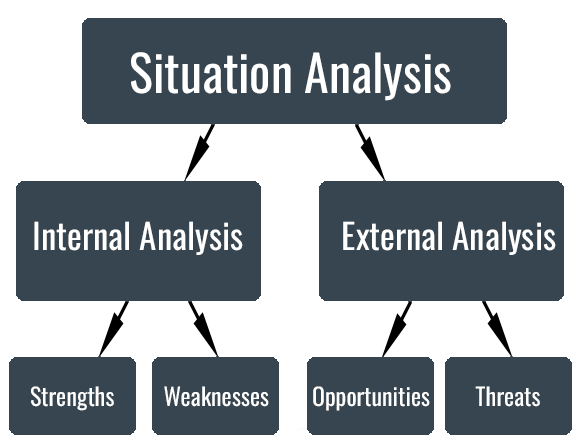
A SWOT analysis is used to determine the internal strengths and weaknesses of a company, as well as external opportunities and threats. SWOT draws your attention to your weaknesses thereby allowing you to minimise threats, while highlighting your strengths so that you can take advantage of any opportunities that may arise.
The ‘Strengths’ and ‘Weaknesses’ represent the internal analysis of the organisation and are contained in the KPIs. The ‘Opportunities’ and ‘Threats’ represent the external analysis of the company that can arise from the PEST factors:
- Political – laws or regulations that affect your organisation.
- Economic – variables that impact on all related markets.
- Social – the trends that affect the firm’s market place.
- Technology – digital disruption.
The SWOT analysis requires suggestions and opinions from senior management in order to leverage the expertise of all the people who know the business best.
Strengths – these are internal factors and can be identified by considering the following;
- In what areas do you have better resources than your competitors?
- Do you have a sustainable competitive advantage?
- What areas of the business should you focus on?
- What are people in your market likely to see as strengths?
- What factors deliver sales?
Weakness– these are internal factors and can be identified by considering the following;
- In what areas do you have fewer resources than your competitors?
- What areas could you improve?
- What areas should you avoid?
- What are people in your market likely to see as weaknesses?
- What factors lose you sales?
Opportunities– these are outside factors that are external to the business and can be identified by considering the following questions;
- What opportunities are open to you?
- What trends could you take advantage of?
- How can you turn your strengths into opportunities?
- Are you aware of any interesting trends?
- Is there a change in the market that might open up an opportunity to the company?
- Is there a change in technology that might open up an opportunity to the company?
- Is there a change in government policy that might open up an opportunity to the company?
- Are there any changes in social patterns (population profiles, lifestyle changes…) that might open up an opportunity to the company?
Threats– these are outside factors that are external to the business and can be identified by considering the following questions;
- What obstacles do you face?
- What are your competitors doing?
- Are quality standards or specifications for your job, products or services changing?
- Is changing technology threatening your position?
- Do you have bad debt or cash-flow problems?
- Could any of your weaknesses seriously threaten your business?
What do your competitors offer on their digital marketing activities that you don’t? Who are they? Are there new online players entering your market? What are their differentiators? The Wayback Machine allows you to see old web pages dating back to 1996 which can be useful if you need to track how an organization or a brand has evolved over time.
Developing a good system of web analytics is important for controlling your digital communications. Web analytic tools such as Google Analytics when used in conjunction with online feedback tools and questionnaires can be very effective.
Modelling personas of website visitors is a powerful technique to increase the usability and customer centricity of your digital marketing activities. We can monitor the quantity and frequency of social media posts, reviews, profile updates, etc. which identifies opportunities and also acts as an early warning system for any future problems. In addition, defining strong KPIs will ensure that we do not spend too much time measuring and analysing the results of our digital marketing campaigns and more time on actually carrying out these activities.