

Solutions through technology:Website DevelopmentDigital MarketingMarketing Strategy
TACTICS
Tactics are concerned with strategy implementation and focuses on the optimum mix in terms of communication channels. Tactics should be developed only after the strategy has been agreed and set, and tend to be short term and flexible, whereas strategy is more long-term and enduring.
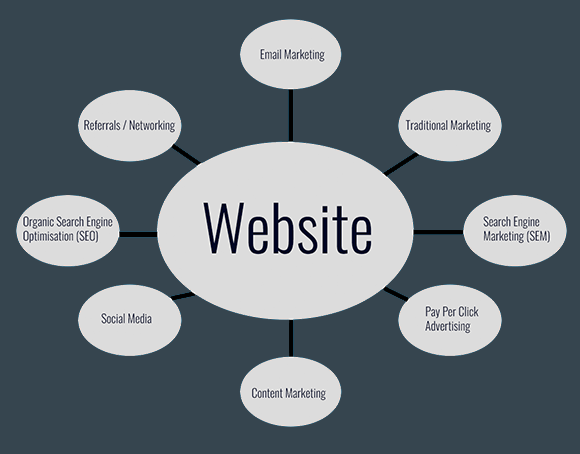
The firm’s website is the cornerstone of any digital marketing campaign. The objective should be to develop a website that contains all the functionality that is needed to cater for the high quality potential clients that will be attracted to the site through innovative multi-channel marketing efforts.
This is achieved by considering all the e-tools and traditional marketing tools that are available, and then using them in a sequence that is aligned to the strategic direction of the business.
Website • Email Marketing • Social Media Marketing • Search Marketing • Content Marketing • Mobile Marketing • PPC • Traditional Marketing • Networking / Referrals
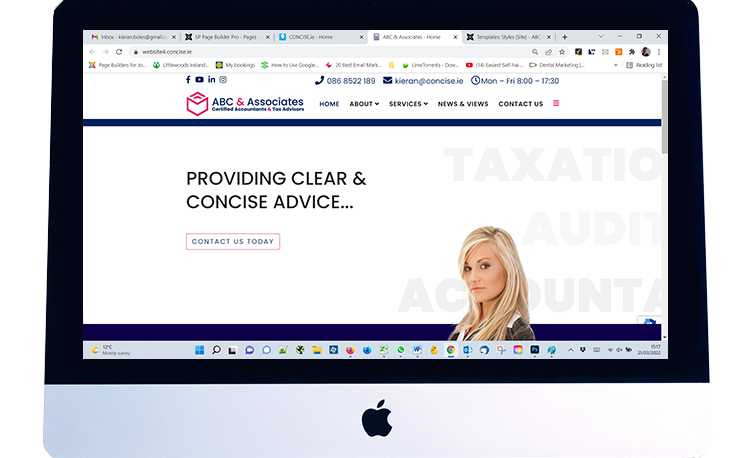
ACCOUNTANT
Click to view what your new website could look like and to generate design ideas...
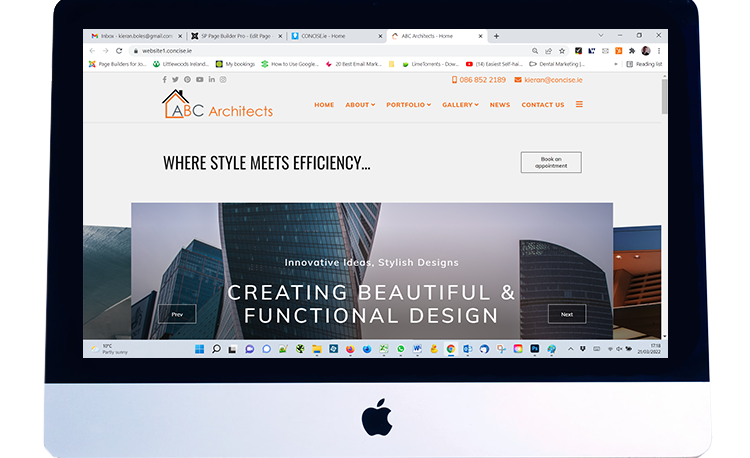
ARCHITECT
Click to view what your new website could look like and to generate design ideas...
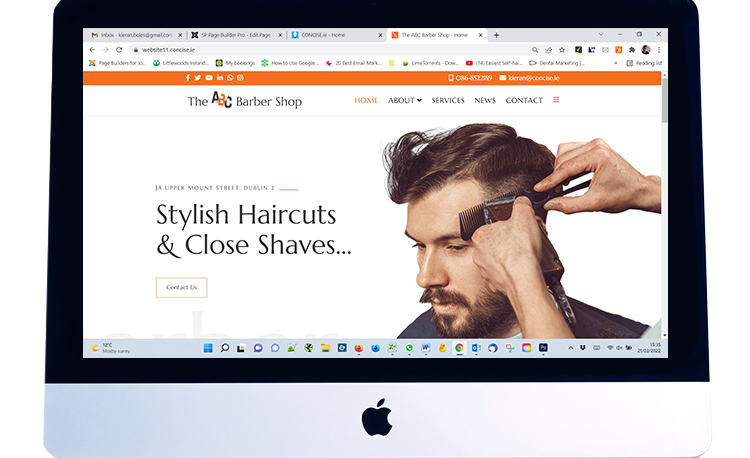
BARBER SHOP
Click to view what your new website could look like and to generate design ideas...
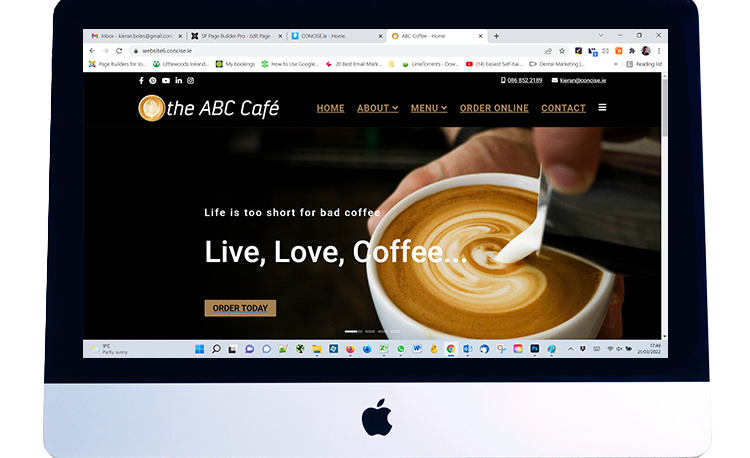
COFFEE SHOP
Click to view what your new website could look like and to generate design ideas...
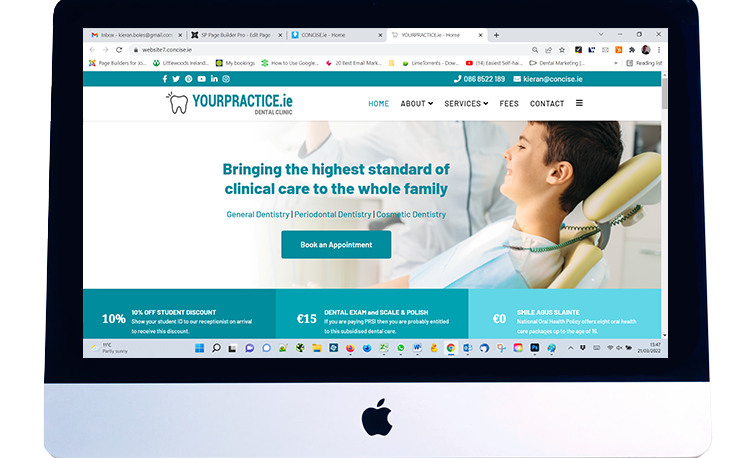
DENTAL CLINIC 1
Click to view what your new website could look like and to generate design ideas...
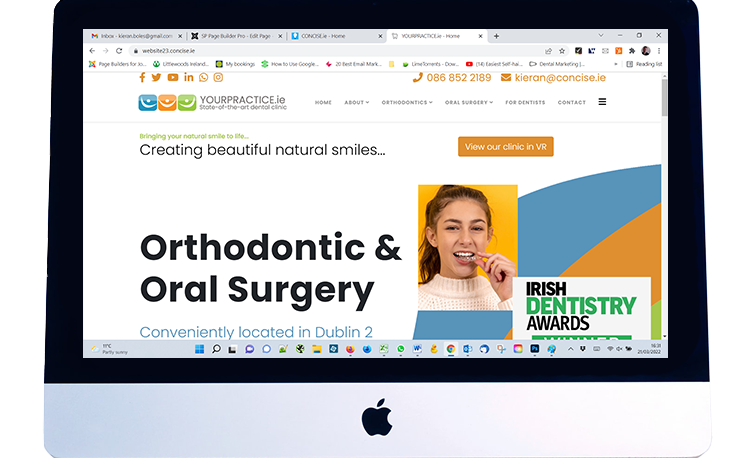
DENTAL CLINIC 2
Click to view what your new website could look like and to generate design ideas...
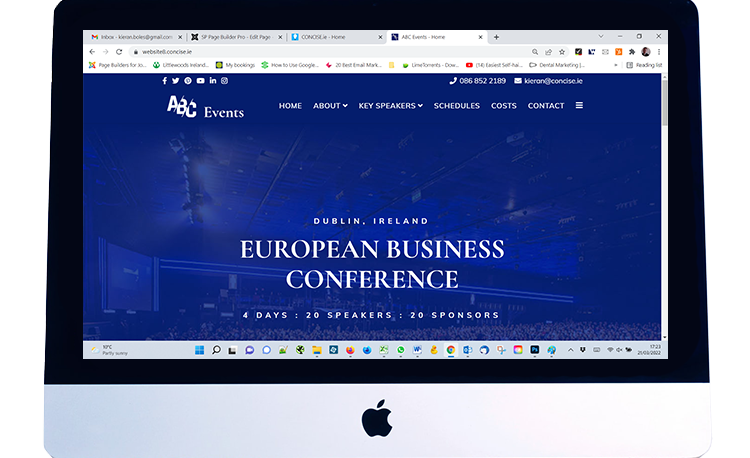
EVENTS
Click to view what your new website could look like and to generate design ideas...
FINANCE 1
Click to view what your new website could look like and to generate design ideas...
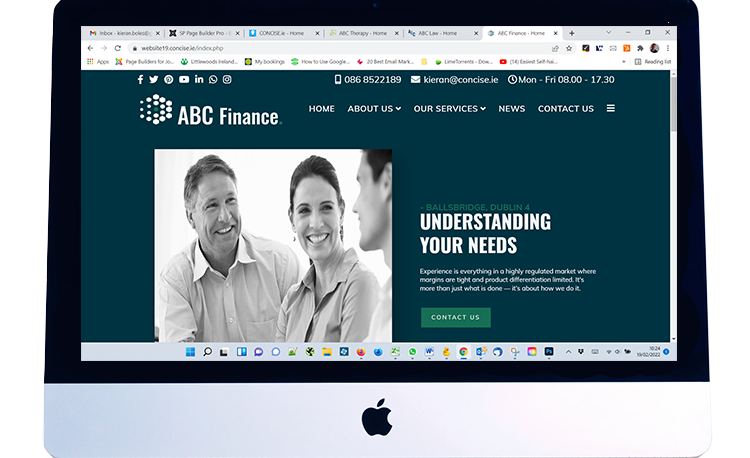
FINANCE 2
Click to view what your new website could look like and to generate design ideas...
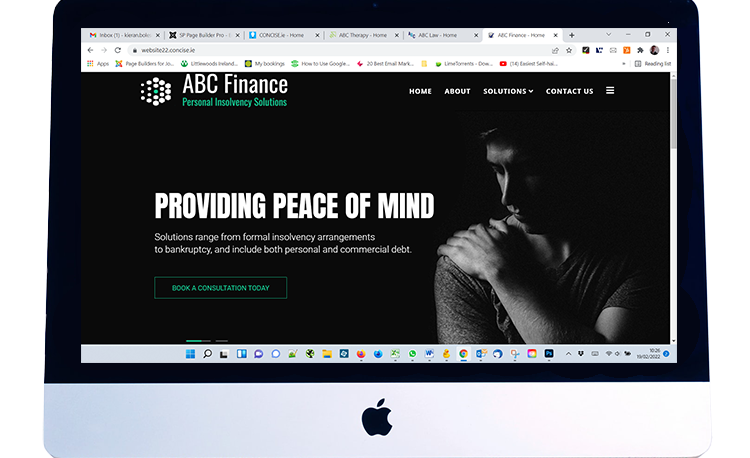
FITNESS
Click to view what your new website could look like and to generate design ideas...
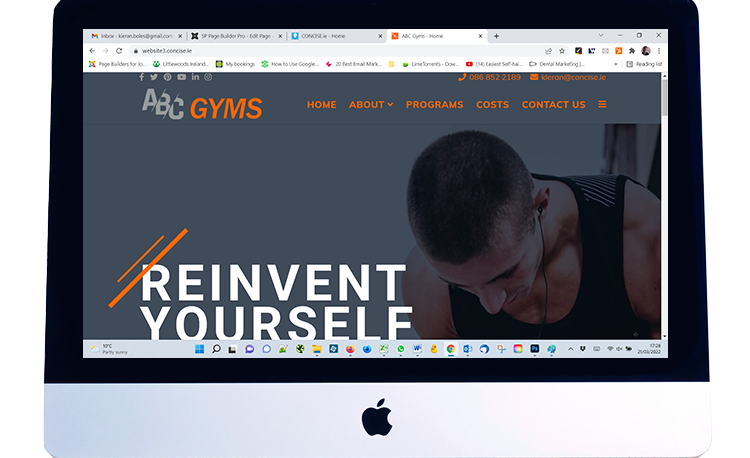
INTERIOR DESIGN
Click to view what your new website could look like and to generate design ideas...
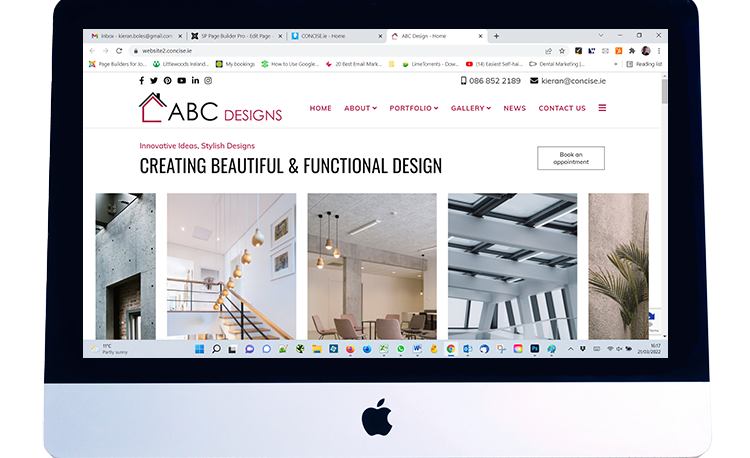
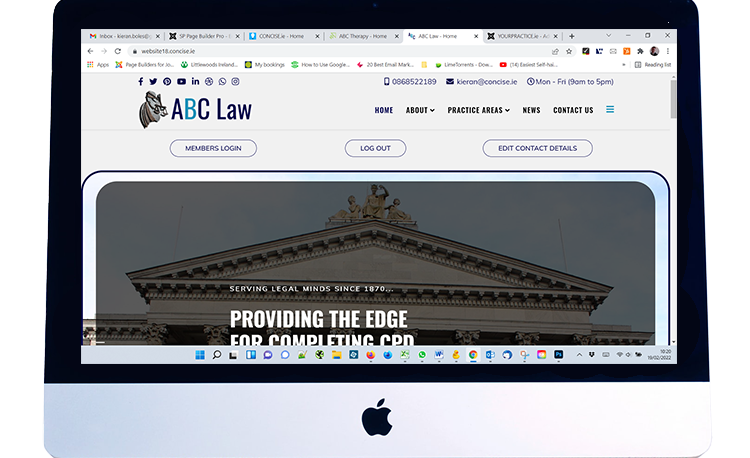
LAW 1
Click to view what your new website could look like and to generate design ideas...
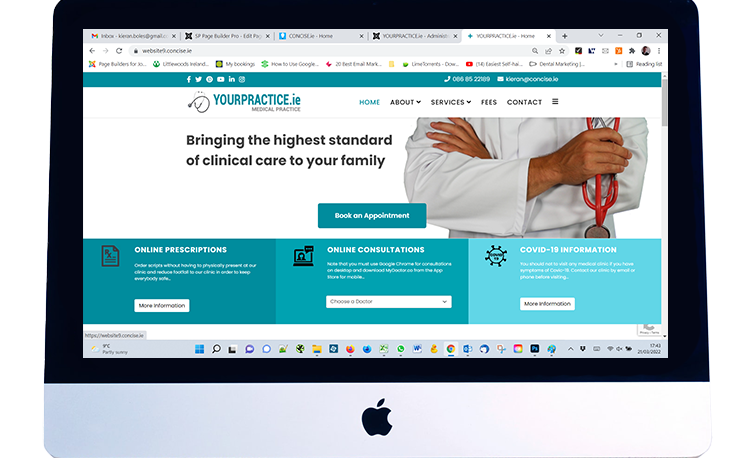
MEDICAL CLINIC 1
Click to view what your new website could look like and to generate design ideas...
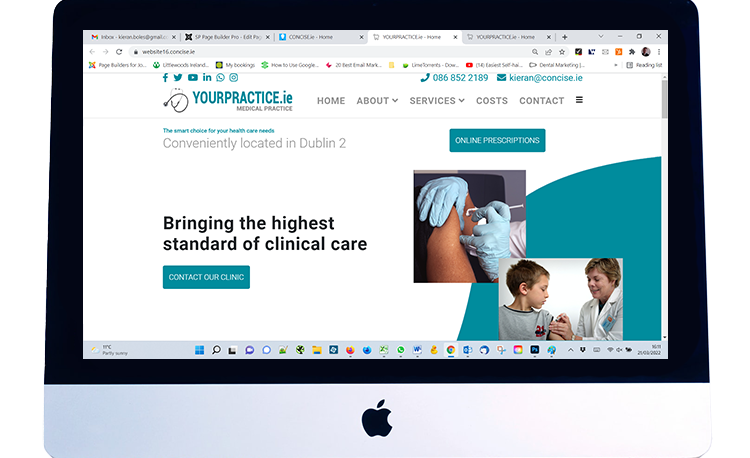
MEDICAL CLINIC 2
Click to view what your new website could look like and to generate design ideas...
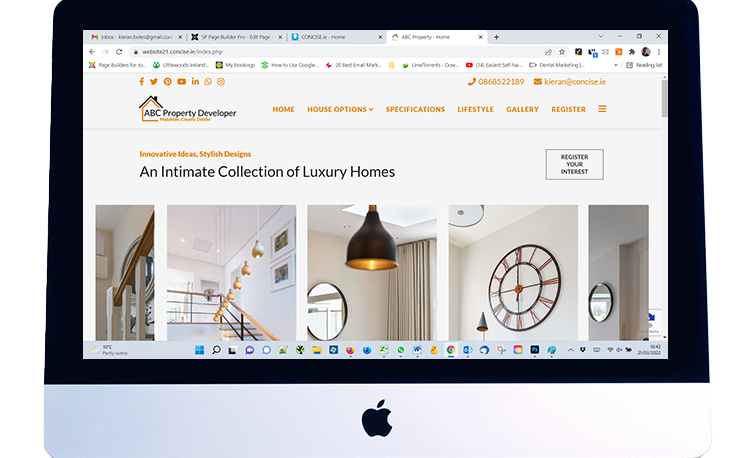
PROPERTY
Click to view what your new website could look like and to generate design ideas...
RESTAURANT 1
Click to view what your new website could look like and to generate design ideas...
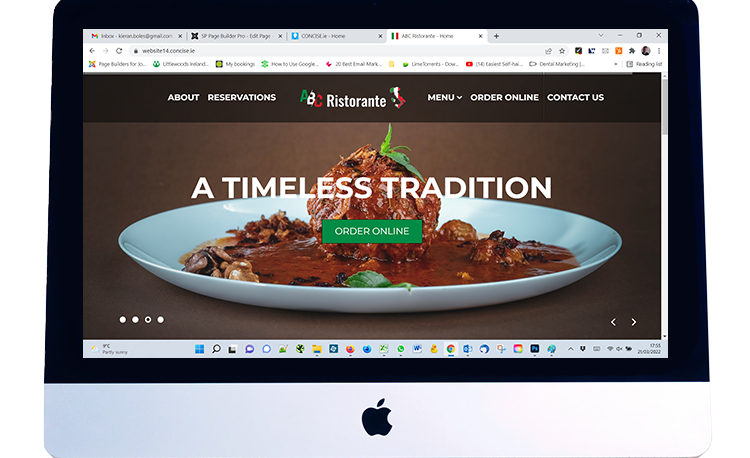
RESTAURANT 2
Click to view what your new website could look like and to generate design ideas...
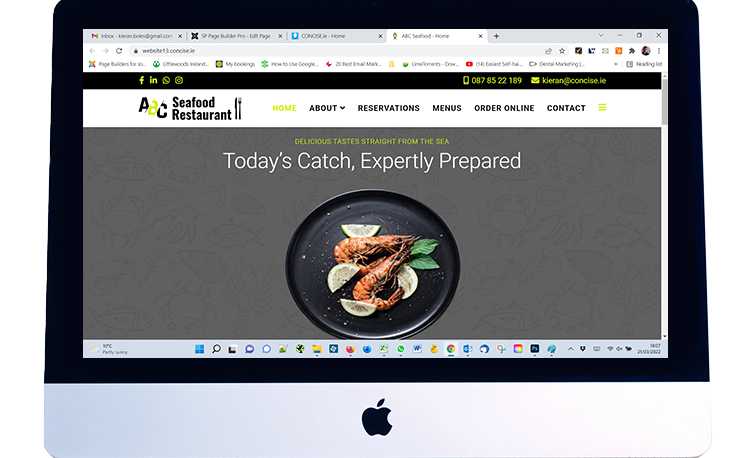
RESTAURANT 3
Click to view what your new website could look like and to generate design ideas...
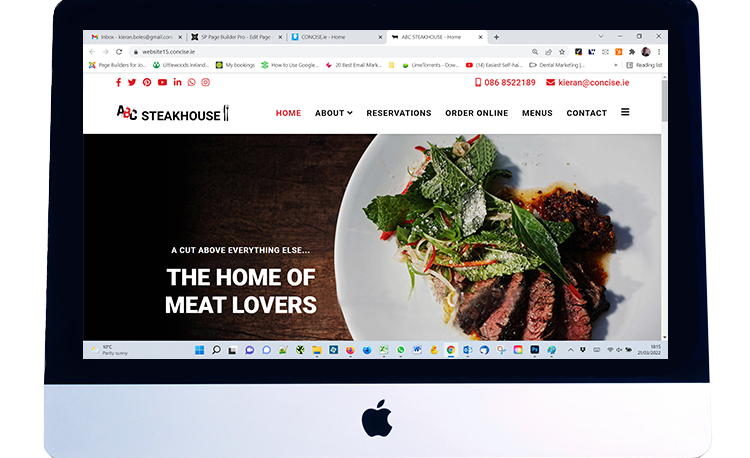
MENTAL HEALTH
Click to view what your new website could look like and to generate design ideas...
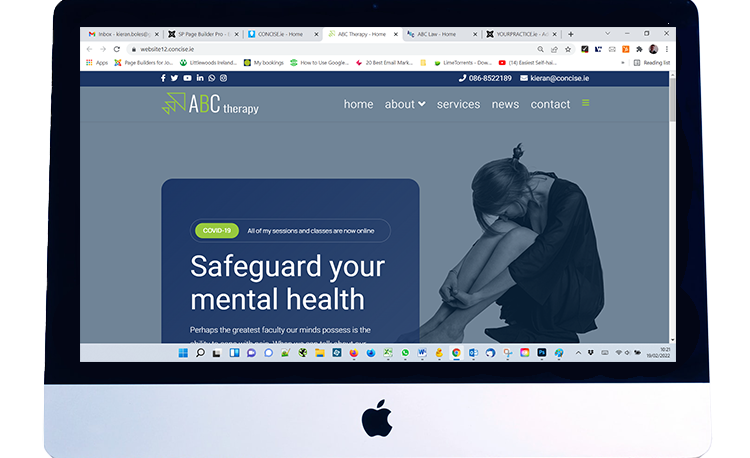
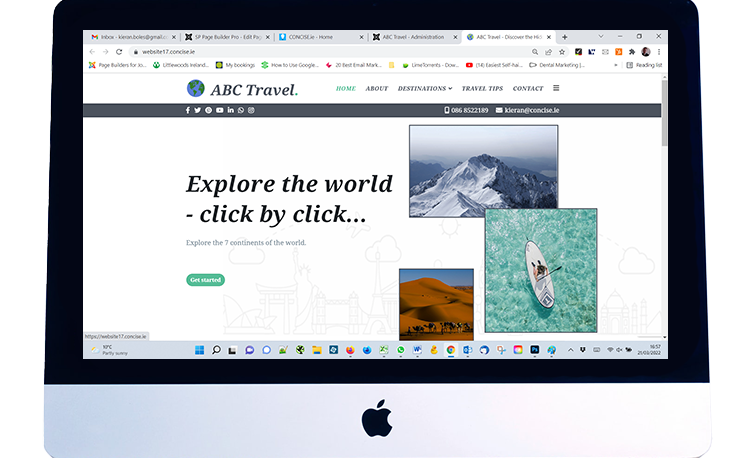
TRAVEL
Click to view what your new website could look like and to generate design ideas...
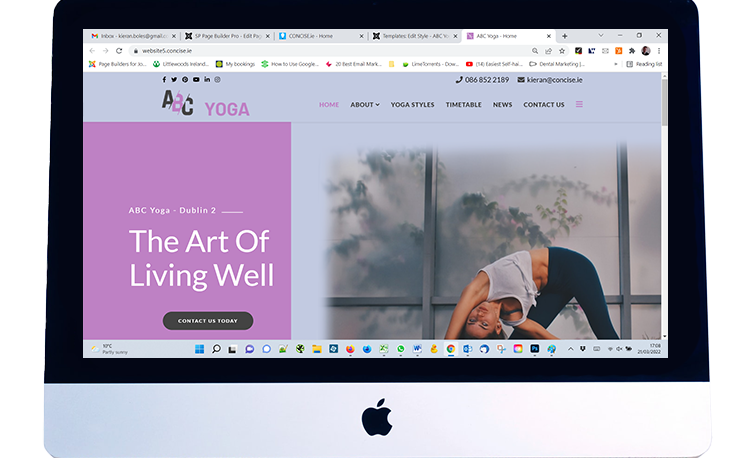
YOGA
Click to view what your new website could look like and to generate design ideas...
It is important to understand what each marketing tool can and cannot do to ensure efficient project management implementation. This will help to decide when, where and how each marketing tool is used for each different revenue stream or customer segment. An effective method to achieve this is to implement the PRACE framework from Smart Insights (2012) as outlined below;
This involves working through the tried and trusted marketing fundamentals of customer research, segmentation, positioning and the development of the value propositions for each of the identified revenue streams.
This involves outbound marketing which means building awareness of the business and its services through online and offline campaigns including traditional advertising and PR as well as using online tools including generic paid search, organic search, and email. It can also include display advertisements on other web sites and using offline media in order to build traffic by driving visits to your different virtual presences such as your website, microsites or social media sites.
This involves persuading website visitors or email recipients to take the next step on their customer journey when they land on your website, microsites or social media sites. It’s about engaging the audience through relevant, compelling content and clear navigation pathways. Once a visitor comes to your website, what action do you want them to take? This action could be the completion of a survey, making a purchase, registering for an on-line auction or any other action that starts a two-way conversation. For example clicking on a search engine results page (SERPs) link will then take the visitor to a specific landing page linked to that traffic source. Once the visitor clicks on the link, or on an advert, they then enter into the Act phase as they have interacted with the marketing message.
This is where the visitor commits to forming a relationship which will generate commercial value for the business. At this stage the visitor has converted into a subscriber having engaged with the business. The next stage is to turn them into a convert – this could involve using the subscribers email address to thank them for registering and incentivising them to look at another offering that is relevant to that individual subscriber through online behavioural analysis.
This involves building deeper customer relationships through time in order to achieve retention goals. The user enters into an on-going conversation with the business and from now on they will be shown personalised web page content derived from their online habits and preferences.
The engage phase is when the consumer moves to being a fully engaged contact with an on-going established relationship with the business. One to one personalisation continues to support this phase and the email offers become even more personalised. Whilst email is central to the engagement strategy we can simultaneously use remarketing with mobile and social media.
Engagement is a long term game as it is quite common for a customer to be highly engaged at the outset, only to become a lapsed customer shortly afterwards. Consequently it is vital to monitor the gaps between conversions on a continuous basis and target lapsed customers with further offers that contain incentives to re-engage.